

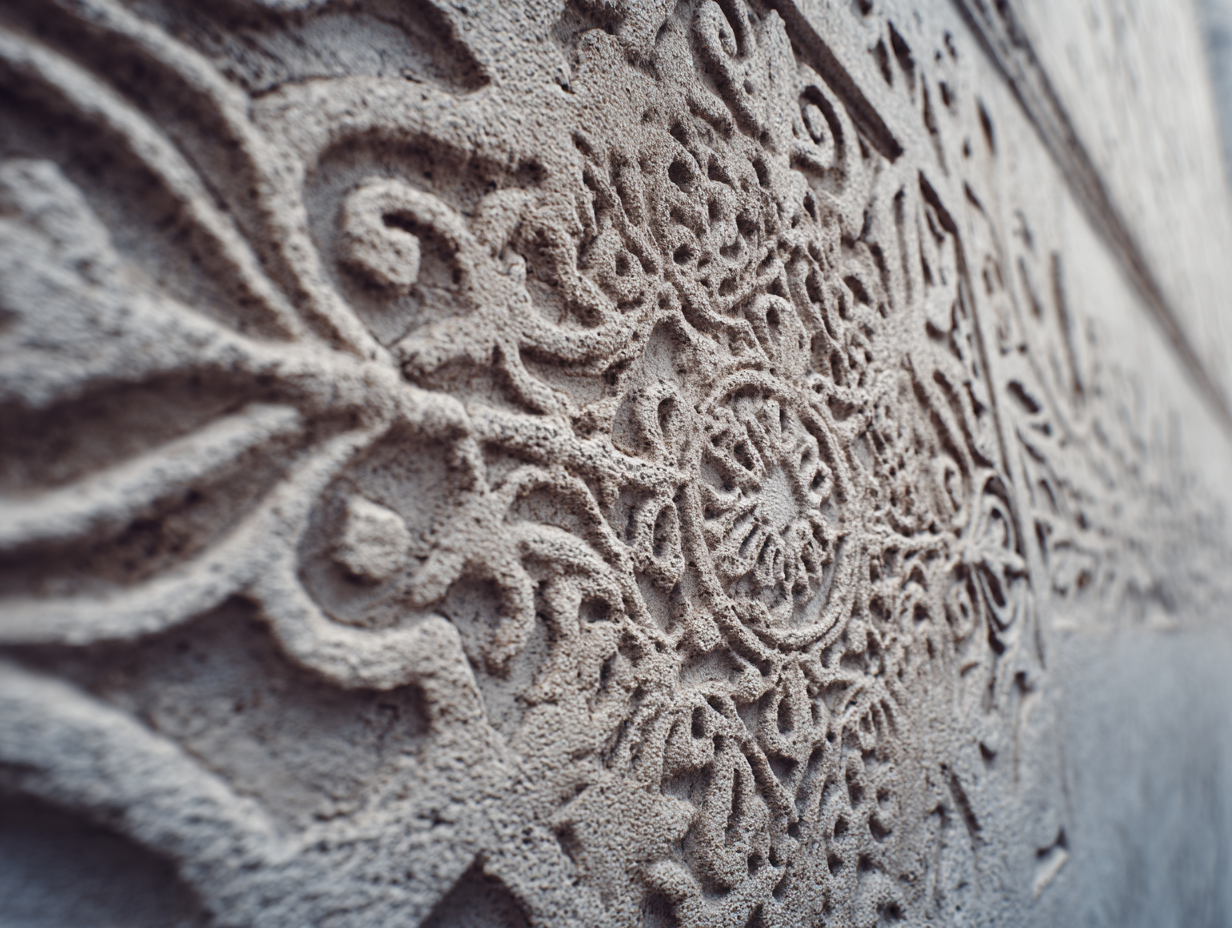
A cultural grammar expressed through craftsmanship



At its origin, a decorative language is a system of signs and representations through which a culture shows how it sees the world, its values, principles, memories and ways of feeling.
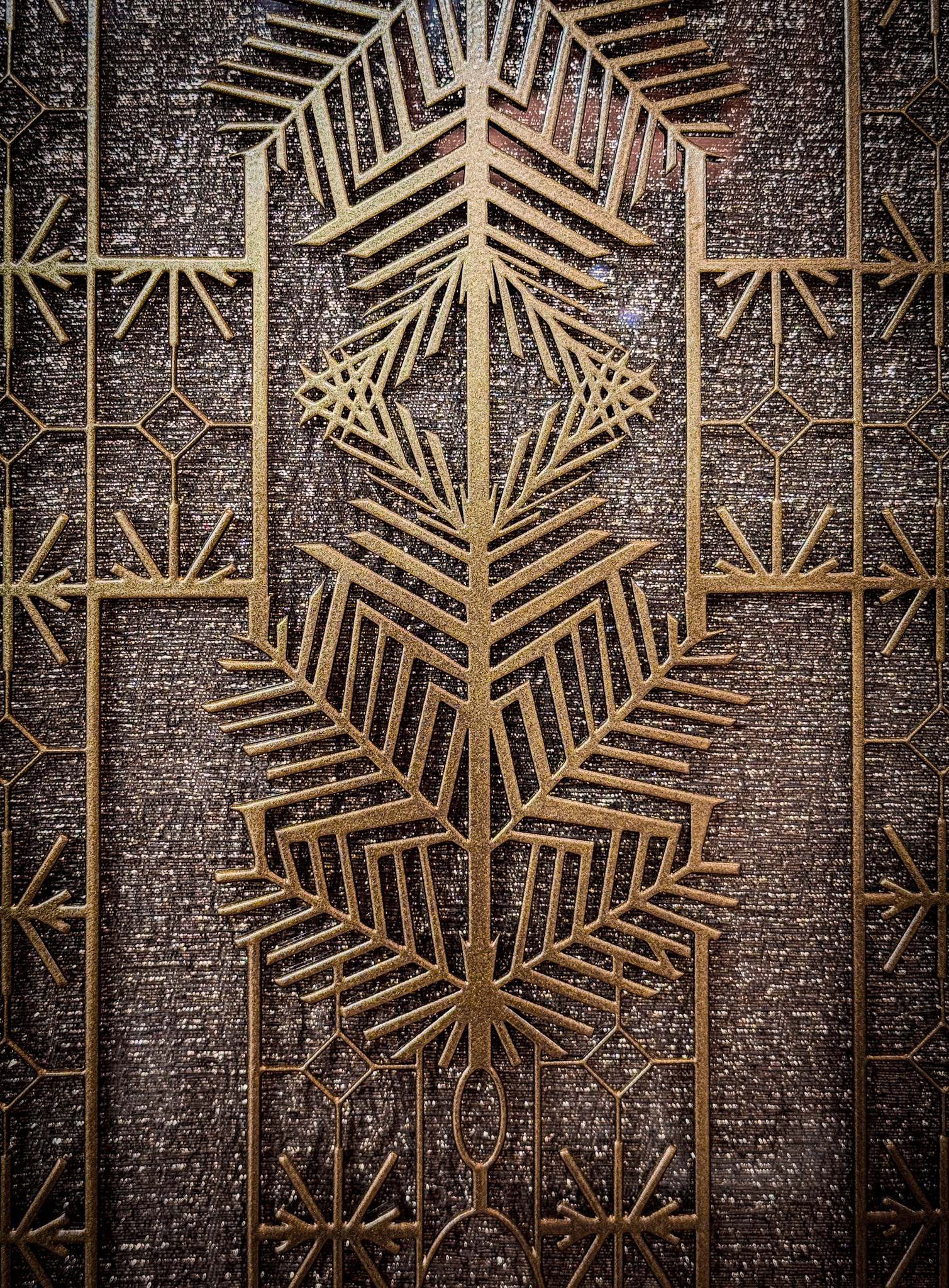
There is a distinction between what we attend to in a space and what a space registers in us. Attention
follows the event, the person, the conversation. The rest settles in behind: the surfaces, the proportions,
the forms that frame the room. They ask for nothing. But they shape the feeling of everything.
Like a spoken language, it has its own alphabet and grammar. Lines, motifs, proportions and rhythms come together into words, metaphors and stories. This is not arbitrary decoration. It is a precise system with its own logic, and it speaks whether or not anyone is listening for it.
This language operates below the threshold of conscious attention. The brain reads a space as belonging or foreign, resonant or absent, before single word has formed. The foundations of that reading were built in the earliest years of life, from the shapes, surfaces and visual vocabularies first encountered. They do not disappear. They become the measure against which everything that follows is understood.
But today, it is difficult to be fully represented by the decorative languages of the past. They still hold the
roots of how we learned to see beauty, belonging and meaning, yet they also belong to worlds whose values, borders and rules have changed. We live across cultures, references and personal histories. We may recognise ourselves in more than one language, and yet not entirely in any of them.
Erisse begins as an exploration of these visual principles, created to shape decorative languages that make sense for who we are today, for each person, with their own life, memory and story.
The decorative language is a way a culture gives visual form to how its soul sees the world, its values, principles, memories and ways of feeling. Like any language, it has roots, dialects and rules shaped over generations. We do not invent it from nothing. We study what already exists, then reshape it for the lives we live today.
For centuries, decorative motifs were intimately connected to the values, beliefs, and stories of the people who created them. From regional styles to personal touches, this language evolved naturally, reflecting changing morals, etiquette, and the character of its time.
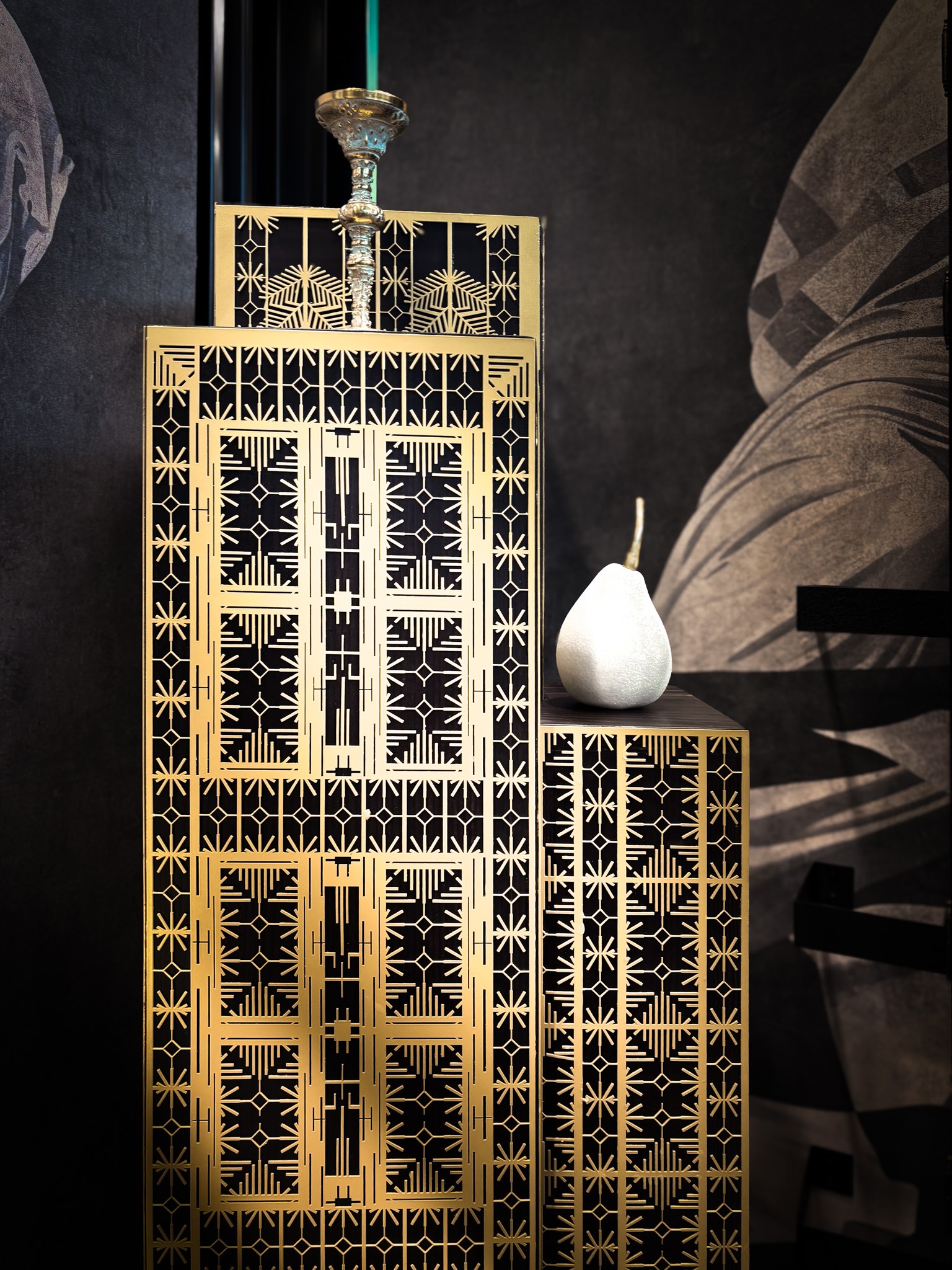

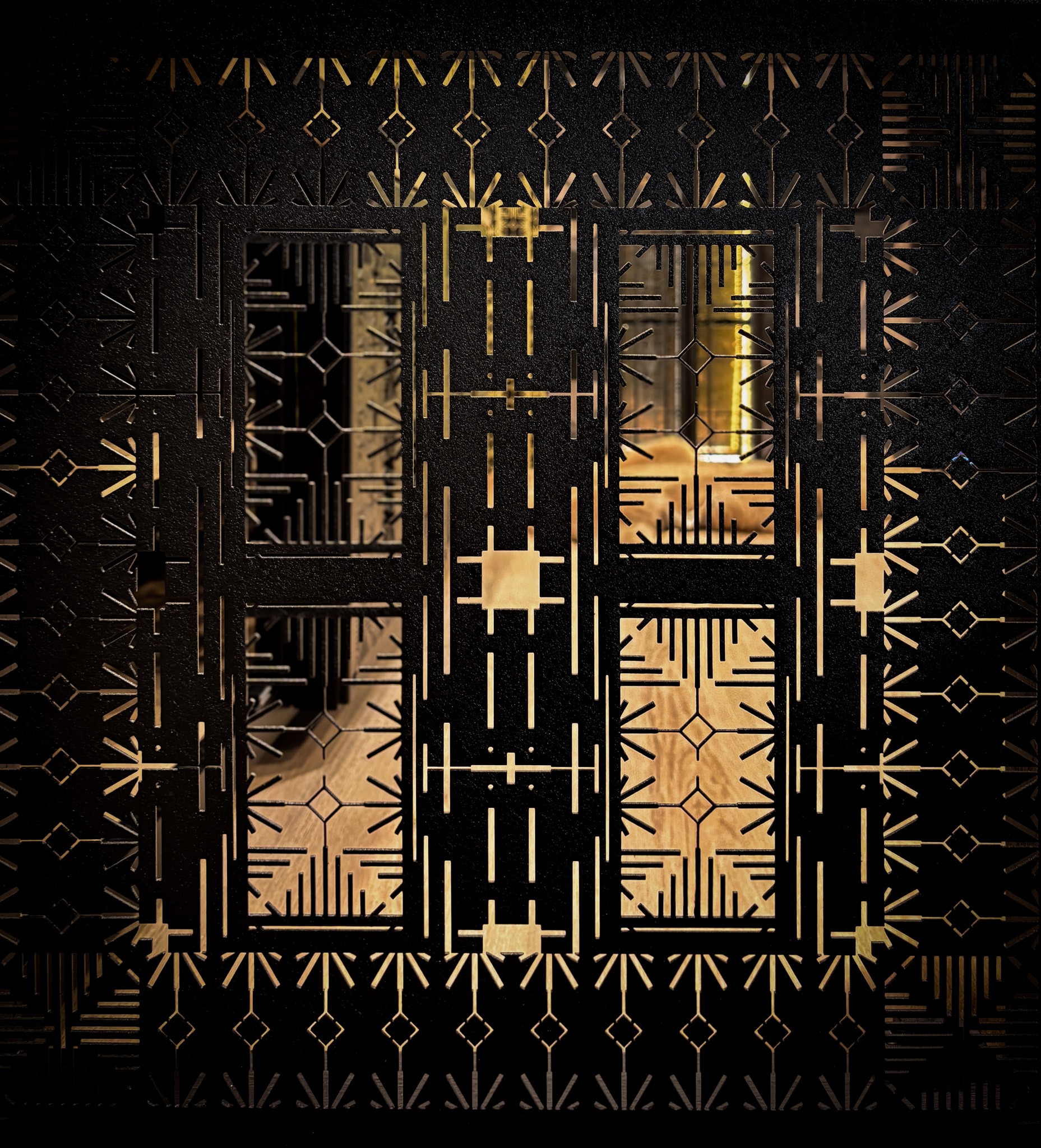
When ornament was dismissed as excess, the built world lost more than decoration.
The spaces we inhabit affect how we think, feel and orient ourselves. Perfect, sterile environments may look clean, but they can dull the senses and disconnect us from reality.
We were never meant to live in spaces stripped of emotion. We need places that ground us, surprise us, and quietly remind us that we are alive.
The answer is not to return to the past. It is to return to the path of beauty, and to learn from the wisdom of those who came before us.
Art has already reinvented itself, what we propose is a new way of working with decorative language today, free from the idea that ornament no longer belongs in the built world, and shaped for who we are now.

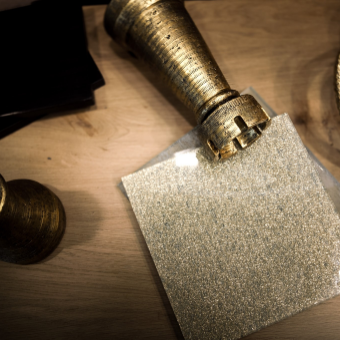
Like any language, it has an alphabet made of basic elements, or "letters," which combine according to specific principles to form meaningful "words" and "sentences" in design.
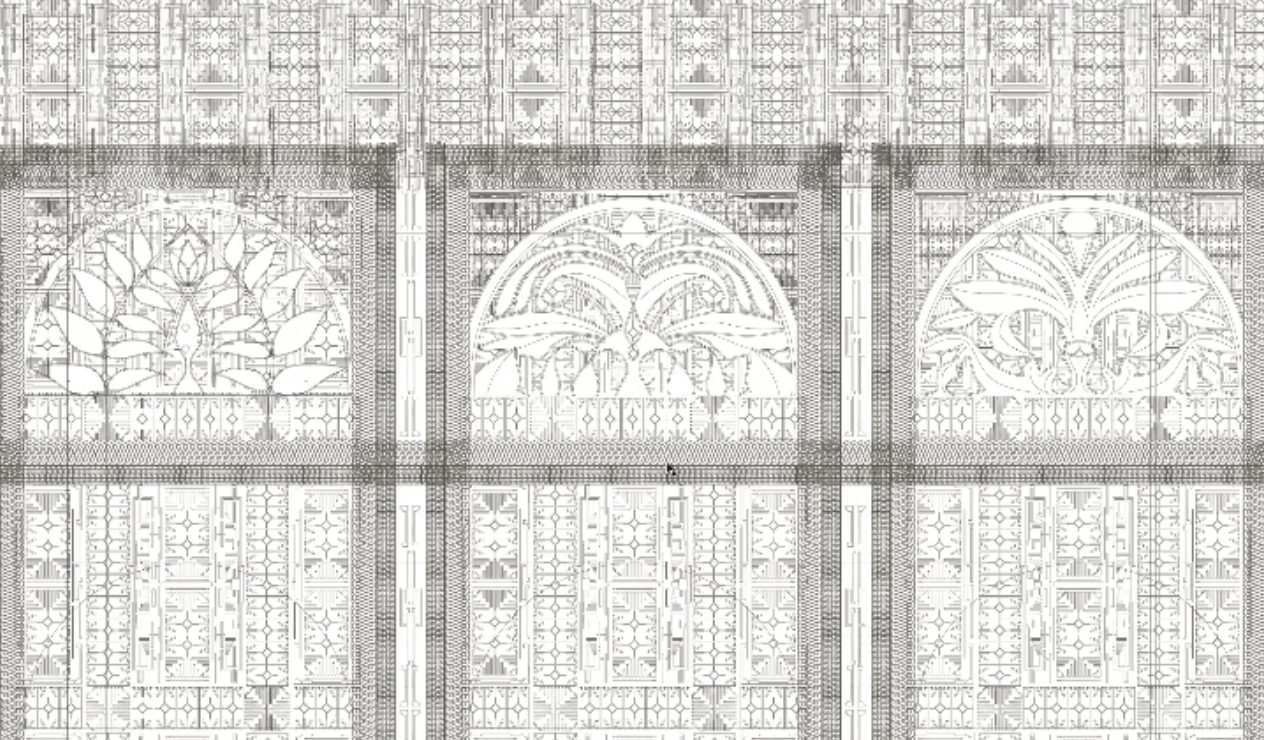
Like any language, it has an alphabet made of basic elements, or "letters," which combine according to specific principles to form meaningful "words" and "sentences" in design.
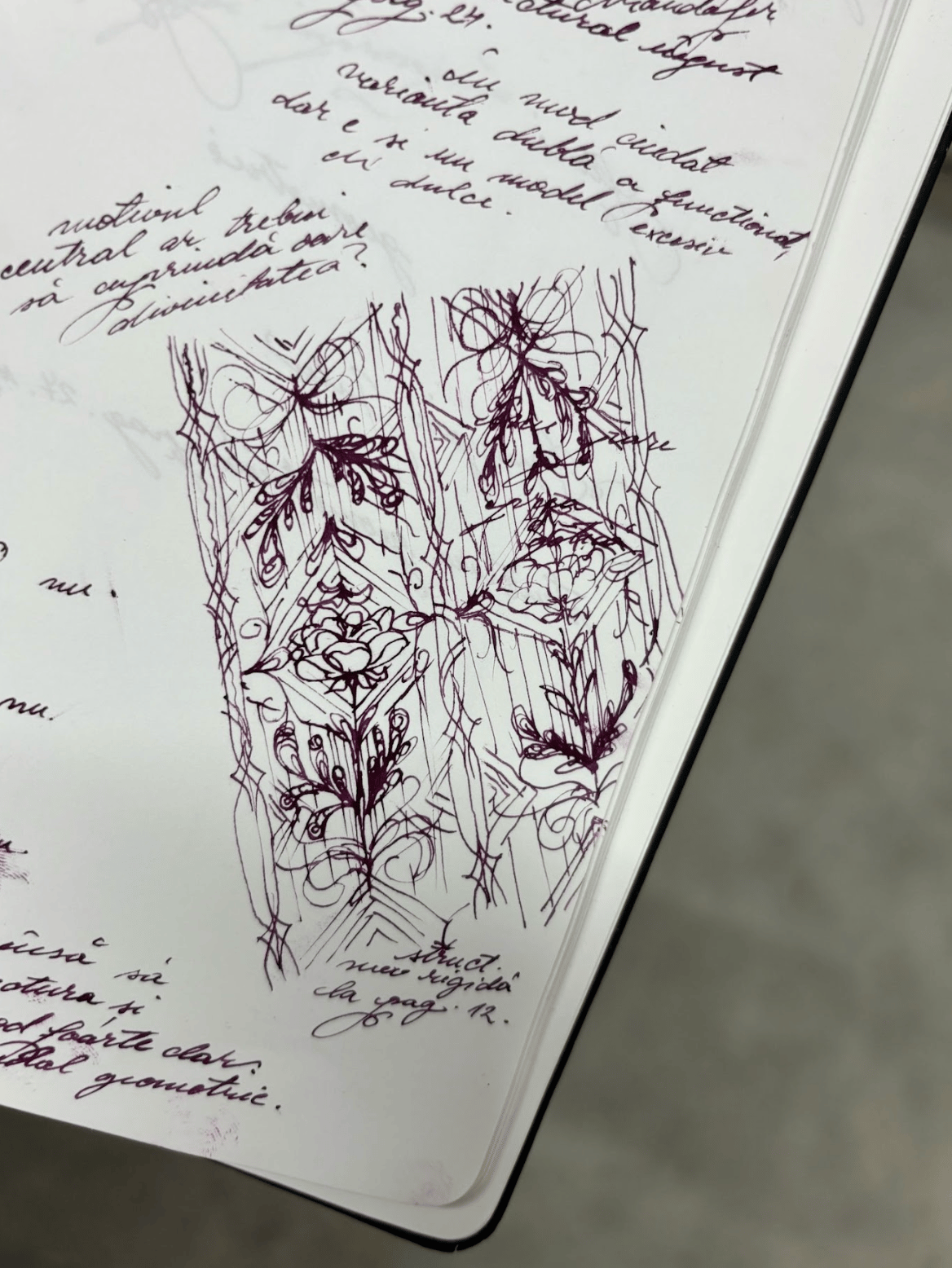
Decorative language follows a system of clear visual rules a grammar that governs how patterns, motifs, and details come together.
This grammar is flexible and open, allowing for creativity and personalization. New "letters" can be added or invented, enabling unique dialects that reflect individual stories and identities.
1 / 3
Our perception of beauty and meaning in decorative patterns is not random, it is deeply wired into the architecture of the human brain and the emotional fabric of our experiences.
The stage of emotion
An affect is an emotion awakened by a trigger registered in the past. The mind stores not only what happened, but the setting around it: a smell, a light, a texture, a rhythm, a pattern in the background.
Its strength depends on where it was formed in the brain’s architecture, and how often that pattern was reinforced over time. This is why early childhood matters, in those first years, the brain builds some of its strongest neural pathways.
A decorative language works with those quiet traces. It does not try to recreate a memory exactly, but to awaken the feeling it once carried.

Early Sensory Imprinting
Our brain’s early development creates lasting impressions of shapes, patterns, and textures that influence lifelong aesthetic preferences.

Neural Pathways of Attachment
Our brain’s early development creates lasting impressions of shapes, patterns, and textures that influence lifelong aesthetic preferences.

Cognitive Resonance
Patterns that align with our brain’s natural processing rhythms evoke comfort, curiosity, and meaning.

Timeless Connection
Neuroscience shows how traditional motifs remain powerful because they engage deeply embedded brain mechanisms.
What we recognise in form
A decorative language helps us read recognition before it becomes an explanation. Through pattern matching, inkblot-style readings and association exercises, we look at what a person instinctively connects with: the structures, rhythms and metaphors that feel familiar, harmonious or charged with meaning.
Taste can be overthought. Instinctive association is harder to edit, and often shows how someone sees the world before language gets in the way. From there, we build a visual language around the patterns already present in their history, creating a backdrop of recognition, calm and emotional resonance.
Cultural Identity
Decorative language reflects the values, rituals, and narratives of a culture, shaping collective identity and shared memory.
Personal History & Emotion
Individual experiences and emotions color how we relate to patterns, making each design uniquely meaningful.
Psychological Archetypes
Universal symbols and motifs resonate with deep psychological archetypes, triggering subconscious recognition.
Evolving Preferences
Psychological preferences shift over time influenced by societal changes, yet remain grounded in core human needs for meaning and beauty.
How a memory becomes a decorative language.
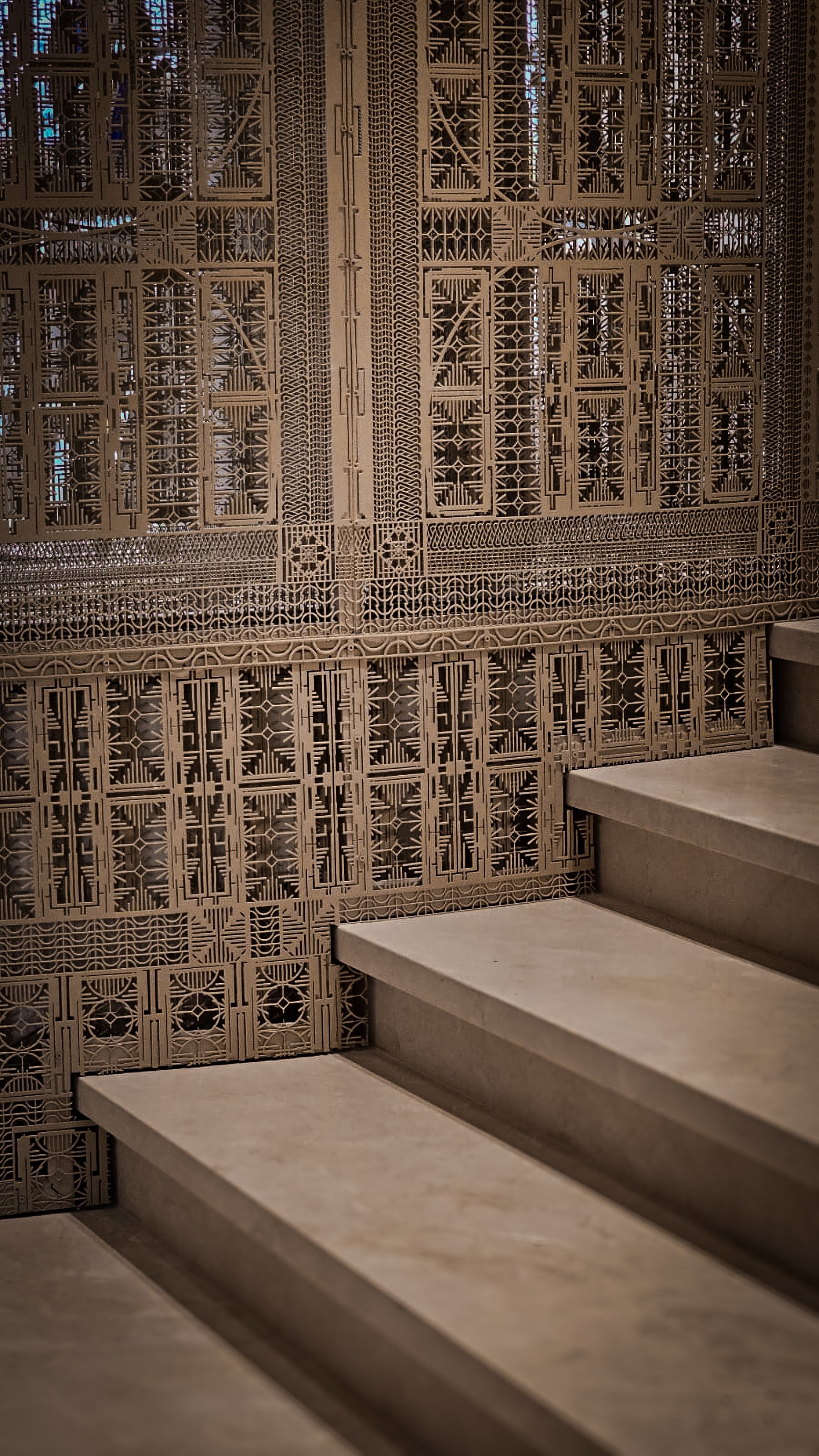
The first responseLaying the ink
Ana-Maria, Erissé founder, began with a decorative language blot test, showing the client different structures, rhythms and visual systems to understand what felt familiar before it could be explained.
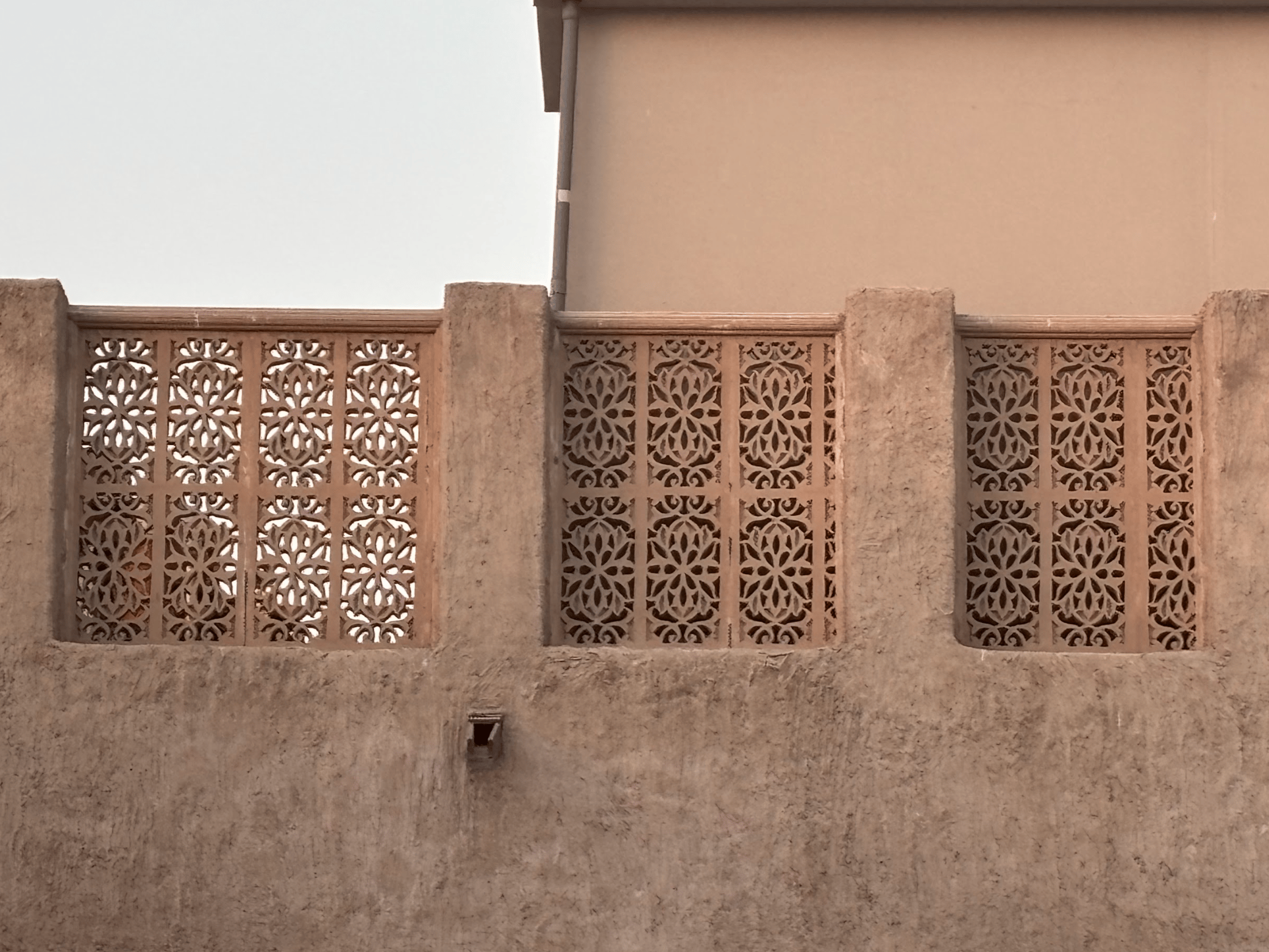
Returning to Old Dubai
She then visited the places connected to the client’s memories, retracing possible childhood paths and gathering decorative references from the surrounding architecture.
Cultural research
The study expanded into Emirati decorative language and its influences, from Persian and Islamic systems to regional craft traditions.
Personal history
Then she looked at the client’s values, lifestyle and passions, including endurance riding and Sadu embroidery, to understand what carried emotional meaning.
First drafts
Several directions were developed by her and the team, each testing different motifs, compositions, rhythms and ways of layering personal memory with cultural language.
Refinement
Through feedback, she decided what stayed, what disappeared, and what needed to be created from scratch so the piece could tell the right story.
Production and installation
Once the final design was approved, the piece entered production, with continued support for installation and on-site adaptation.